OCD Self-Help Course Using ERP
97% would recommend the course
91% said it helped them with OCD.
I made this course based on how I work in private practice to give you the chance to get started on treatment immediately from the privacy of your own home.
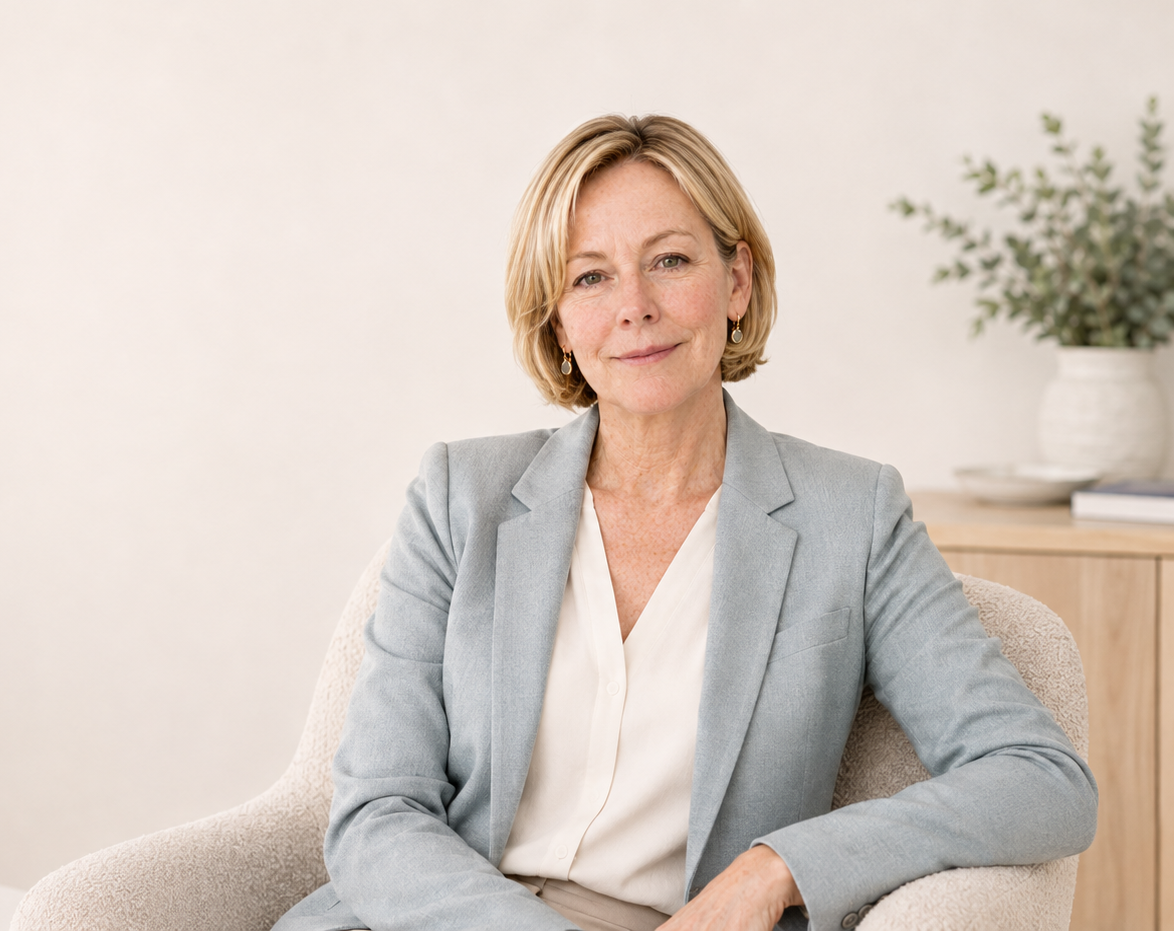
Dr Elaine Ryan
I am a Doctor of Psychology, a Chartered Psychologist, and a former Highly Specialist Psychologist in the UK NHS, with more than 20 years of experience specialising in OCD and anxiety.
I created this programme to give you access to the same evidence-based psychological tools I use in practice, in a format that is practical, clear, and easy to follow in your own time.
If the course is not the right fit for you, you are covered by a 10-day no-questions-asked refund.
What you need to understand about OCD.
Regardless of whether you use my course or work with another therapist; there are 4 things you need to know.
- Thoughts and images are not important (even though they are very upsetting)
- The thoughts make you feel something like anxiety, fear or disgust
- Compulsions help you reduce the feelings - it's important to understand why you perform them
- You feel a bit better; until the next time
The more you repeat compulsions, the stronger your OCD becomes - you need help to stop the compulsions, and this is ERP
You can see inside the course
I talk you through what I have included in the course.
It's important to watch this as it helps you decide if this is a good fit for you.
Frequently Asked Questions
Do I need therapy, or can I start with an online OCD programme?
For some adults with mild to moderate OCD, structured self-help using ERP can be a reasonable first step. Others use the programme while waiting for therapy or alongside work with an ERP-trained professional.
If your symptoms are severe, highly disabling, complex, or you are struggling to keep yourself safe, individual professional support is more appropriate.
Is this individual therapy?
No. This is a structured, self-paced educational programme. It does not include individual assessment, diagnosis or therapy sessions with Dr Elaine Ryan.
Who is the course for?
The programme is for adults who want to understand and work on the processes that maintain OCD, including:
- compulsions and rituals;
- reassurance seeking;
- checking;
- avoidance;
- rumination and mental reviewing;
- intrusive thoughts;
- difficulty tolerating uncertainty.
You do not need to have one particular OCD theme. ERP targets the obsessive-compulsive process rather than only the subject of the thoughts.
What will I learn?
The programme teaches you:
- how the OCD cycle is maintained;
- how to identify obsessions and compulsions;
- how reassurance and avoidance keep OCD going;
- the principles of Exposure and Response Prevention;
- how to work with compulsions and safety behaviours;
- CBT-based psychological skills;
- mindfulness and acceptance skills;
- how to respond differently to intrusive thoughts and uncertainty.
You can see the full curriculum below before enrolling.
Feedback from people who have taken the course
As a counsellor learning about OCD, I found this course incredibly helpful. It explained the condition clearly and gave me a deeper understanding of what clients go through
The module on intrusive thoughts was a game-changer. I finally understood what was happening in my brain — and why it didn’t mean I was broken or dangerous.
The ERP exercises were so clear. I haven’t had to check the locks in a month. My evenings are my own again.
What kinds of OCD does it cover?
The principles apply across common OCD presentations, including checking, contamination, harm-related intrusive thoughts, sexual or religious intrusive thoughts, relationship OCD and predominantly mental compulsions.
What if ERP makes me anxious?
ERP deliberately involves approaching situations, thoughts or feelings that OCD has taught you to fear, so some anxiety or discomfort is expected.
The aim is not to overwhelm yourself. ERP should be planned and graded, with the emphasis on reducing compulsions and learning that you can tolerate uncertainty without performing rituals.
Can I use the programme while attending therapy?
Yes. Some people use structured course material alongside individual therapy. You can discuss the exercises with your treating professional.
Do I need a formal OCD diagnosis?
No formal diagnosis is required to access the programme.
However, an online course cannot diagnose you. If you are unsure whether your symptoms are OCD, or whether self-directed treatment is appropriate, an individual assessment with a qualified professional may be helpful.
How long do I have access?
You have access to the programme for 12 months from enrolment.
Is Retrain Your Brain included?
Yes. Access to the Retrain Your Brain® anxiety programme is included with the OCD programme.
What is the refund policy?
Every purchase comes with a 10-day no-questions-asked refund period.
Is my enrolment private?
Yes. Your course enrolment and account are private. This is a self-paced programme and you are not required to participate in a public group or community.Yes. Your course enrolment and account are private. This is a self-paced programme and you are not required to participate in a public group or community.
Course Curriculum
- Working with Difficult Thoughts (3:22)
- Intrusive Thoughts regarding your sexual identity (2:06)
- Women's Difficult Thoughts about children (2:37)
- Sexualised Intrusive Thoughts (4:26)
- Intrusive thoughts: Harm (2:11)
- ROCD: Intrusive Thoughts about your relationship (4:08)
- Religious Intrusive Thoughts (2:12)
- Sexual Orientation Disorder (2:23)
- CBT for women's intrusive thoughts about children (2:28)
- CBT for Men's intrusive thoughts about children (2:44)
- CBT Intrusive thoughts: Harm (1:41)
- CBT for intrusive thoughts about your relationship (2:20)
- CBT for religious intrusive thoughts (3:03)
- Change what you are doing (2:11)
- Self defeating beliefs you hold about yourself (5:14)